Call of the Kanchenjunga…

Trekking in NE India, particularly Sikkim is an unbelievably unique experience. Goecha La Trek at an altitude of 4,600 metres is surreal. SE face of majestic Mt. Kanchenjunga (world’s 3rd highest mountain) is visible from Goecha La Pass (base camp).

14 major summits grace Goecha La’s 90 km trek. Ethereal Samiti Lake with still blue waters, reflections of Mt. Pandim. Nestled in vibrant Kanchenjunga National Park is rich flora & fauna, unmatched. Dramatic changes in weather combined with quick altitude gains makes Goecha La a challenging trek.

Best time for Goecha La’s adventure is March-April or September-December. Adorned with charming flowers, pristine snow. Trail to Goecha La is laced with rhododendron forests bursting to life with beautiful pink & red flowers.

Mysterious spirit of Sikkim with spectacular Goecha La Trek, massive Kanchenjunga, Goecha Lake, sensational sunrises, stunning sunsets, snow-clad Himalayan peaks, fantastic forests, raging rivers, marvellous meadows is enough to simply fall in love with nature’s beauty & grandeur.

Trek details

Trek plan

Disclaimer

Water

The blog will pick a word of the week, to share & explore the selected word. Here’s an expression for the word – water. 

Water is essential to life. While water is plentiful covering 70% of our Earth’s surface, 97% is saline. Unfit to drink or use for irrigating crops. Our world’s fresh water is not equally distributed or accessible. It’s found disproportionately in places where people don’t really live. Humanity has depleted availability of freshwater at a rate of 4.3 trillion cubic meters each year, majority of which goes to agricultural & industrial use.

United Nations Water – 2 billion people lack access to safe drinking water. Climate change is intensifying water shortage. U.N. estimates that 1 in 4 people will live in a country affected by a chronic shortage of freshwater by 2050. World Bank – climate induced reduction in freshwater supply, coupled with an increased demand will reduce the availability of water by 66% in 2050.

Microsoft’s Pledge & Strategy – Water Positive

By 2030, Microsoft has vowed to be water positive. The company will replenish more water than it consumes. A very meaningful & practical initiative. Hope more businesses pledge active support, take measurable actions to protect our nature’s most precious assets. Water is life, clean water protects our health & wellbeing. Pure water is our world’s first & foremost natural medicine.

Disclaimer

The England Coast Path…

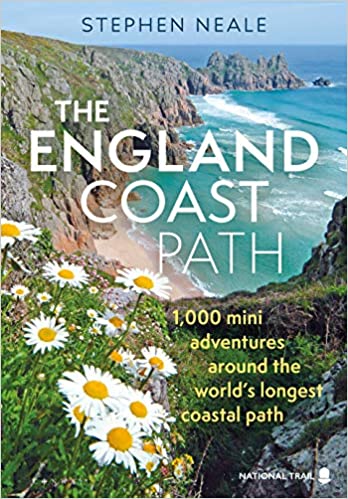
The England Coast Path is a celebration of England’s most precious asset – the wild coast. Opening of the England Coast Path means we will be able to walk & wild camp along an entire 3,000-mile of the English coast-line. Hugely exciting for walkers, campers, cyclists, photographers & nature lovers.

The England Coast Path

Everything from the best places to swim, hunt for fossils, hidden beaches & canoeing spots. Features 16 coastal counties with 1,000 places to explore, camp & adventure around the coast. Simply incredible.

Disclaimer

Slave monkeys…

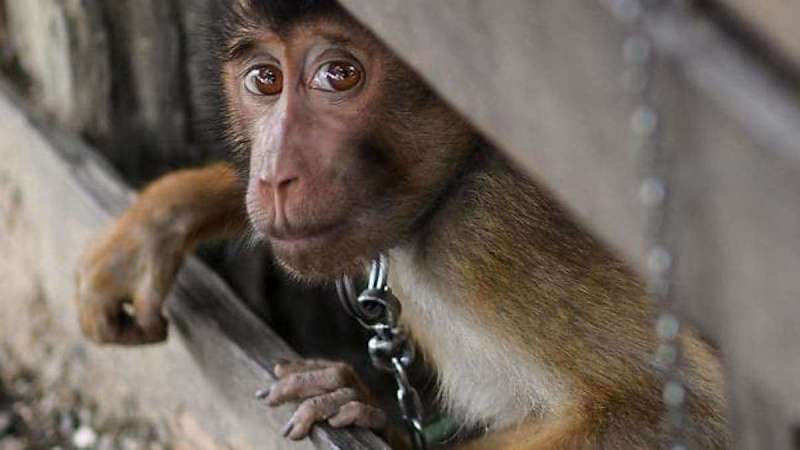
Pig-tailed Macaque should be living in a huge, matriarchal family, chattering in trees of lush rain-forests in Thailand. Foraging for seeds, leaves & flowers. Instead, as infants they’re snatched from forests, chained by the neck, shoved into cages barely big enough, transported to specialist monkey school’s. Trained to shimmy up 100ft high coconut trees, always chained to pick 1,000 coconuts a day. Denied freedom, any semblance of a natural life.

Leashed monkey’s play a miserable part in the £315 million Thai coconut milk market, 10% of which is bought by the UK. They’re also cruelly taught to ride bicycles, shoot basketball hoops, perform sit-ups, pretend to lift weights to double as money-spinning entertainers for tourists. Once trained, sold to farmers for 50,000-100,000 Thai baht (£750-£2,500).

Of course, coconuts can be picked by humans but we aren’t as efficient as Macaques, plus the cost of paying staff, insurances. Harvesting coconuts is a critical source of income in poor countries. Embracing mechanised pickers, planting dwarf coconut trees are sustainable solutions.

Great to learn Waitrose, Ocado, Boots, ASDA in the UK have vowed to stop selling monkey-picked coconut products. Still, a long way to go to save these helpless, vulnerable monkey’s.

Disclaimer