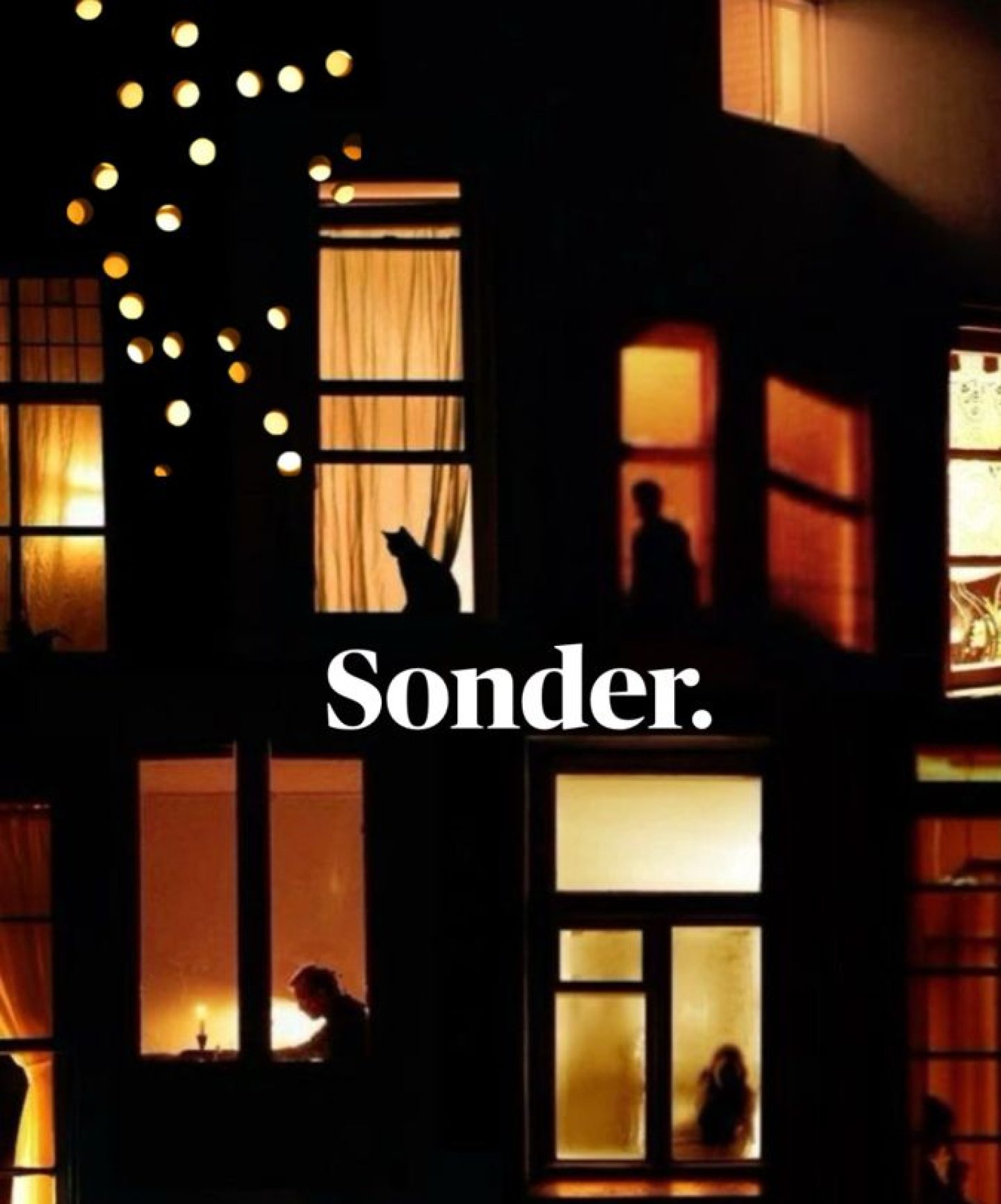

The blog will pick a word of the week, to share & explore the selected word. Here’s an expression for the word – Sõna (words in Estonian).


Reading about the philosophy of words. A fascinating study of how words create, carry, communicate & shape meaning or value. At its heart is a simple question – do words merely describe reality or do they help create the reality we specifically experience? Philosophers like Ludwig Wittgenstein, Ferdinand de Saussure & Martin Heidegger explored interesting aspects of language & meaning. Do the limits of our language mean the limits of our world? How playful can we be with words without losing its value? “Words are just a lens to focus one’s mind” – Ayn Rand.
Meaning. What makes a word mean what it means? Language & reality. Does language reflect the world or does it shape how we understand the world? Truth. How can words accurately express something that is real or true? Interpretation. Why can the same words mean different things to different people? Power. How can naming something change how people perceive, understand or believe it?
Silence. What can be communicated with words & what cannot be expressed in words at all? Are words necessary? “The most important thing in communication is hearing what isn’t said” – Peter Drucker. Words give shape to thoughts, but silence gives space to meaning. Perhaps, the deepest, most unique or intense experiences are the ones we cannot express in words.
Identity. How do the words we use to describe ourselves influence, inspire or empower who we become? “Words are the voice of the heart” – Confucius. A poetic way to express the idea is – words are not merely vessels for thought, they are the architecture through which thought becomes visible. In essence, the philosophy of words asks how words turn thoughts, emotions, experiences, dreams & reality into meaning.
A lot of human experiences can be experienced but can’t be described. Some things that resist words include pure sensation. The exact experience of a particular colour, smell, touch or taste. We can’t fully describe the beauty of a sunset, deep emotions like grief, love, joy, innocence, beauty, hope, belief, passion or compassion. Consciousness itself. The ineffable is ineffable. Experiences that seem too profound, adventurous, mysterious or overwhelming to fit into ordinary concepts.
Silence. Sometimes, what is unknowingly left unsaid communicates something better, that language would actually weaken. Non-verbal understanding. A glance, an embrace, a gesture, a melody or a shared moment can communicate something beautifully without forming a proposition. The infinite or absolute. Concepts like eternity, imagination, creativity, motivation or nothingness totally defy words.
This creates an intriguing philosophical paradox – words can point towards an experience without being the full experience itself. The paradox is that words can both reveal & conceal. There are limits to what language can meaningfully say. Sometimes, the appropriate response to what lies beyond those limits, is silence.
And perhaps, the greatest limitation of words is that they can somehow communicate what something means to us, but they cannot guarantee that others will experience that meaning in the same way. Lost in translation. “There is no greater agony than bearing an untold story inside you, due to lack of words” – Maya Angelou.


